
Alarm Fatigue and Patient Safety
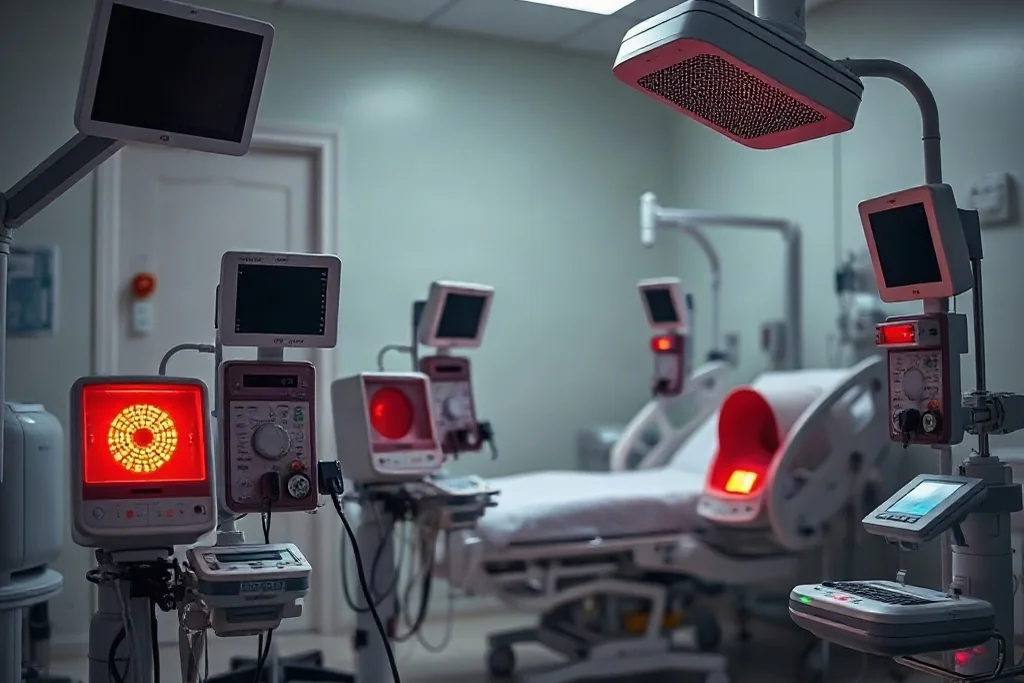
Alarm fatigue is what happens when a ward hears so many alerts that the alerts stop meaning anything. The consequence is not that staff ignore alarms carelessly; it is that a genuine warning can no longer be distinguished from the background noise the devices themselves have created.
How Alerts Become Noise
Each device is designed to be cautious, and each is judged on its own. Put several cautious devices beside one bed and the ward inherits the combined total, which can be far greater than any individual design intended.
Human attention is finite and adapts quickly. Once the majority of alerts turn out to need no action, the response to all of them slows down, and that slowdown is what turns a stream of minor notifications into a safety problem.
The setting matters enormously. An alert pattern that is reasonable in a high-dependency unit can be overwhelming in a general ward, even with identical devices, because the number of staff per patient and the pace of work are quite different.
Why Over-Alerting Is a Design Problem
Over-alerting is rarely caused by one device with a badly chosen threshold. It is usually the cumulative effect of sensible individual choices made without anyone considering the surroundings in which the devices will sit together.
That makes it an environment problem as much as a device problem. The fix has to look at the whole set of alerts arriving at a single bed or a single nurse, not only at each device in isolation.
It is also worth counting the alerts rather than estimating them. When teams measure how many alerts actually reach a nurse over a shift, the figure is frequently far higher than anyone expected, and that figure is the most persuasive case for change.
Practical Ways to Reduce the Load
- Agree with clinical staff which alerts demand immediate action and which do not.
- Review device defaults against the actual patient group in each unit.
- Deliver alerts that identify the device, the patient and the reason.
- Define an escalation path instead of repeating the same alert louder.
- Revisit the settings whenever devices, staffing or patients change.
Sorting What Deserves Attention
The first practical step is to distinguish alerts that require an immediate action from those that can wait. Not every deviation needs the same urgency, and treating them as though they did is what forces staff to triage informally and invisibly.
A clear hierarchy, agreed with the people who respond to the alerts, makes the priority visible. It also makes it far easier to justify changing a setting, because the change is linked to a deliberate decision rather than to convenience.
Silencing a nuisance alert without addressing its cause is a trap. It reduces the noise and leaves the underlying hazard untouched, and it often signals that the real problem is a threshold, a patient group or a workflow that nobody has yet confronted properly.
Tuning Defaults and Thresholds
Manufacturer defaults are a reasonable starting point and a poor finishing point. Applied to a specific patient group in a specific unit, they often generate alerts at a rate nobody intended.
Adjusting thresholds is legitimate where it is done deliberately, documented and owned by the clinical team responsible. An undocumented tweak made to quieten a noisy bay is a very different act from a reviewed change with a stated rationale.
Documentation of the change is part of the safety measure. Recording what was adjusted, why and with whose agreement means the next review starts from knowledge rather than from a puzzle about who changed what and when, which is otherwise the usual state of affairs.
Judging an Alert Setting
| Question | Healthy answer | Warning sign |
|---|---|---|
| Does it need action now | A clear yes or no | Everything is urgent |
| Who responds to it | A named role | Whoever is nearest |
| What happens if ignored | A defined escalation | It simply repeats |
| When was it last reviewed | A known date | Nobody remembers |
The Role of Configuration and Escalation
How an alert is delivered matters as much as whether it fires. A message that identifies the device, the patient and the reason stands a far better chance of prompting the right response than a generic tone shared across a whole unit.
Escalation paths deserve the same care. If an unanswered alert simply repeats louder, the unit has gained volume rather than safety; if it moves to another responsible person after a defined interval, the system has actually done something.
Involving the people who respond to the alerts from the beginning is what makes the change durable. Settings imposed on a unit are quietly reversed within weeks, while settings developed with the unit tend to be defended by the people who use them.
Making the Change Stick
Alarm improvements decay. New devices arrive, staff change, patient populations shift, and the alert load creeps back up. Treating the settings as something to review periodically rather than to set once is what keeps the improvement.
The strongest programmes measure the effect and keep measuring it, asking the people who respond whether the change helped and whether anything important is now arriving too quietly. Their answer is the real test.
New devices are the moment to check again. Adding equipment to a bay that already carried a heavy alert load is a decision with a safety consequence, and it deserves to be treated as one rather than as a straightforward procurement matter.
Alarm fatigue is not a failure of staff attention; it is a failure of alert design taken across a whole environment. Sort what matters, tune the settings deliberately, escalate properly and review the result as the unit changes.
Read next
Human Factors in Medical Device Design
Why good devices fit the way people really work, and how use errors are designed out rather than blamed on users.
Reporting Device-Related Incidents
What counts as a reportable event, how to describe it usefully and what happens to the information afterwards.
Infusion Pumps and Safety by Design
Why infusion devices attract so much safety attention, and the layers that reduce programming and delivery errors.